
|
Ürün ayrıntıları:
|
| Vurgulamak: | Su bazlı polispartik araştırma,Polyaspartik kaplama ilerlemeleri,Polyaspartik teknoloji sıcak noktaları |
||
|---|---|---|---|
Su bazlı poliaspartik üzerine yapılan araştırmalar, poliyurea teknolojisi içinde gerçekten üst düzey bir yönü temsil etmektedir, çünkü temel bir çelişkiyi çözmeyi amaçlamaktadır: su bazlı sistemlerin çevresel avantajları ile poliaspartikin üstün fizikokimyasal performansı arasında nasıl optimum bir denge sağlanır. Mevcut araştırma odak noktaları ve öncü gelişmeler öncelikle aşağıdaki alanlara odaklanmaktadır:
Çekirdek su bazlı poliaspartik reçinenin moleküler tasarımı ve sentezi, bu alandaki ilerlemenin temelini oluşturmaktadır. Araştırmacılar, poliaspartik ester reçinenin kendisi üzerinde “genetik modifikasyonlar” gerçekleştirmektedir.
Öncü: Belirli özellikleri elde etmek için reçine sentezi sırasında fonksiyonel monomerler dahil edilir:
Su bazlı sistemlerde, performans darboğazları genellikle kürleme ajanı tarafında yatar.
Zorluk: Hidrofobik poliizosiyanatlar suda kararlı bir şekilde dağıtılmalı ve uygun karışımı sağlamak için düşük viskoziteye sahip olmalıdır.
Öncü:
Hidrofilik modifikatörler geliştirme: HDI trimerleri ve benzeri bileşikler, su direnci üzerindeki olumsuz etkileri en aza indiren daha verimli iyonik olmayan veya iyonik ajanlar kullanılarak modifiye edilir.
Düşük viskoziteli kürleme ajanları sentezleme: Polimerizasyon süreçlerini ve moleküler yapıları optimize etmek, yüksek –NCO içeriğine ve düşük viskoziteye sahip kürleme ajanlarının üretilmesini sağlayarak uygulamayı kolaylaştırır ve VOC emisyonlarını azaltır.
Zorluk: –NCO grupları H₂O ile reaksiyona girerek kürleme ajanlarını tüketir ve kabarcıklar oluşturur.
Öncü:
Katalizör seçimi ve harmanlama: Verimli organometalik (örneğin, bizmut, çinko tuzları) ve amin katalizörleri, poliaspartik –NH grupları ile –NCO arasındaki reaksiyonu öncelikli olarak katalize etmek ve su ile istenmeyen reaksiyonu bastırmak için seçilir ve harmanlanır.
Reaksiyon kinetiği modellemesi: Su bazlı ortamlardaki bu karmaşık reaksiyonların kinetik modellemesi, formülasyon geliştirilmesine rehberlik etmektedir.
Öncü: Nano-SiO₂, grafen, karbon nanotüpler ve montmorillonit gibi nanomateryaller su bazlı poliaspartik sistemlere dağıtılır.
Amaç:
Nano-SiO₂: Sertliği, aşınma direncini ve çizilme direncini artırır.
Grafen ve karbon nanotüpler: Bariyer özelliklerini (su ve korozyon direnci), mekanik mukavemeti ve termal/elektriksel iletkenliği artırır.
Montmorillonit: Isı direncini ve boyutsal kararlılığı artırır.
Öncü: Su bazlı sistemler için özel yüksek verimli katkı maddeleri geliştirilmektedir:
Yüksek verimli köpük gidericiler: –NCO/H₂O reaksiyonları ve mekanik karıştırmadan kaynaklanan kabarcıkları azaltır.
Yüzey ıslatma ajanları: Düşük yüzey enerjili yüzeylere (örneğin, plastikler) yapışmayı iyileştirir.
Reoloji düzenleyiciler: Depolama ve uygulama sırasında reolojik kararlılık sağlar, çökmesini önler ve tesviyeyi iyileştirir.
Öncü: Poliaspartik ester reçineleri veya poliol bileşenleri sentezlemek için yenilenebilir hammaddeler (örneğin, bitkisel yağlar, şekerler, selüloz) araştırılmaktadır, petrol bazlı ürünlere olan bağımlılığı azaltmakta ve karbon ayak izini düşürmektedir.
Hedef: Film oluşturucu yardımcı maddelerden (birleşme ajanları) VOC içeriğini daha da azaltmak ve gerçekten “sıfır-VOC” sistemlere doğru ilerlemek.
Su bazlı poliaspartikin nihai hedefi, gerçekten “çok amaçlı” bir yeşil malzeme oluşturmaktır. Çözücü bazlı poliaspartikin yüksek mukavemetini, dayanıklılığını ve hızlı kürlenmesini, su bazlı sistemlerin çevresel faydalarıyla birleştirir—toksik olmayan, güvenli, yanıcı olmayan ve uygulanması ve temizlenmesi kolaydır.
Şu anda, bu teknoloji, laboratuvar araştırmalarından endüstriyel ölçekli üretime geçişin kritik bir aşamasındadır. İlk atılımların, aşağıdakiler gibi katı performans ve çevresel gereksinimleri olan sektörlerde uygulanması beklenmektedir:
Yeni enerji araçlarındaki pil paketleri için yalıtım ve koruyucu kaplamalar.
Yüksek kaliteli ahşap mobilya ve zemin kaplamaları için çevre dostu yüzeyler.
Büyük çelik yapıların uzun süreli korozyon koruması.
İçme suyu tesisleri ve gıda sınıfı kaplar için iç kaplamalar.
Devam eden araştırma ve geliştirme ile, su bazlı poliaspartik, yeni nesil yüksek performanslı, çevre dostu malzemeler için ölçüt olmaya hazırlanmaktadır.
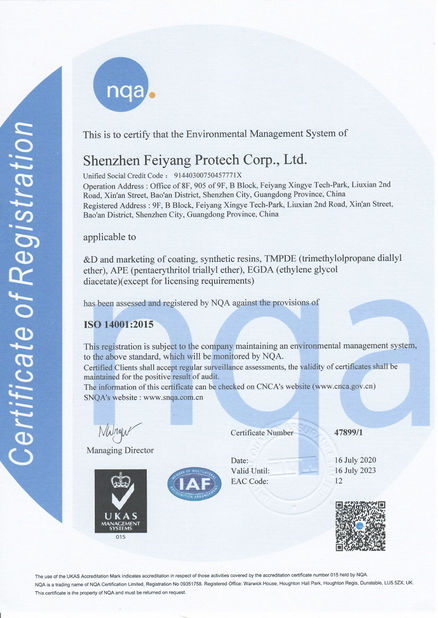
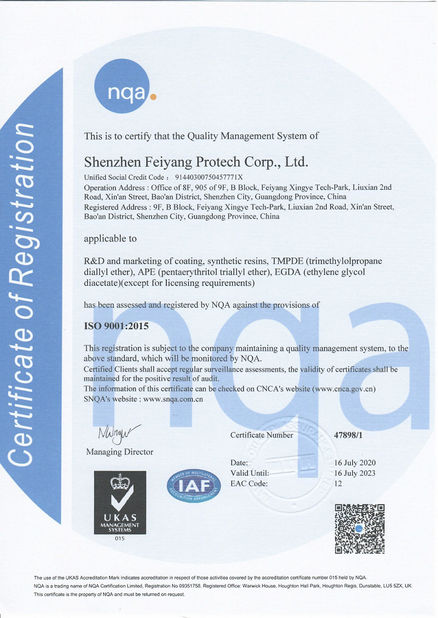
Feiyang, 30 yıldır poliaspartik kaplamalar için hammadde üretimi konusunda uzmanlaşmıştır ve poliaspartik reçineler, sertleştiriciler ve kaplama formülasyonları sağlayabilir.
Bizimle iletişime geçmekten çekinmeyin: marketing@feiyang.com.cn
Ürün listemiz:
Kaplama stratejinizi nasıl dönüştürebileceğini keşfetmek için bugün teknik ekibimizle iletişime geçin. Teknik Ekibimizle İletişime Geçin
İlgili kişi: Annie Qing
Tel: +86 18307556691
Faks: 86-183-07556691


 Turkish